Avve Diana- stock.adobe.com
Esthetician schools provide training programs designed to train students for careers in the beauty industry, specifically treating the skin. These programs begin by instructing students with academic learning, covering skin assessments, including skin types, and then advance to emphasizing hands-on training, allowing students to practice and perfect their skills in various aspects of skincare.
After reading this guide, you will have a solid understanding of what it means to be a skincare professional.
You’ll discover what an esthetics program covers, how a typical class schedule works, the steps to earning your license, and answers to the questions future students ask most.
What does an esthetician do?
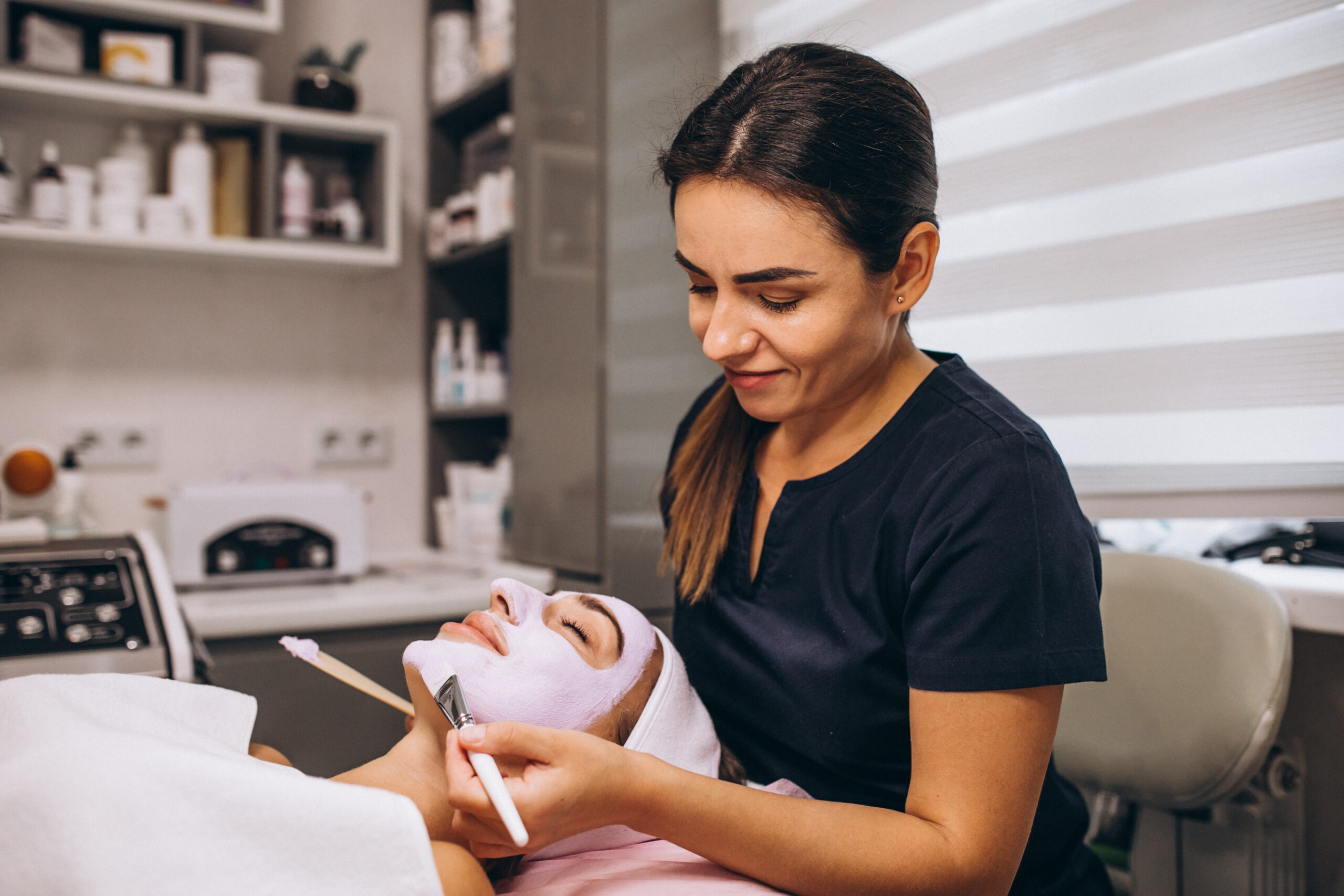
An esthetician is a licensed skincare specialist trained to assess skin conditions and perform treatments like facials, exfoliation, hair removal, and makeup application. Estheticians work closely with clients to understand their skin goals, then recommend and perform services suited to their skin type. Some estheticians go on to specialize further, offering advanced treatments such as chemical peels and microdermabrasion.
Key components of an esthetics program
Students learn to analyze different skin types and conditions in esthetics school to provide appropriate treatments and recommendations. They’ll gain a deep understanding of facial techniques and build on their business skills.
Some essential elements of esthetician programs involve the following techniques:
- Makeup application
- Hair removal
- Body treatments
- Skin analysis
- Facial treatments
- Facial massages
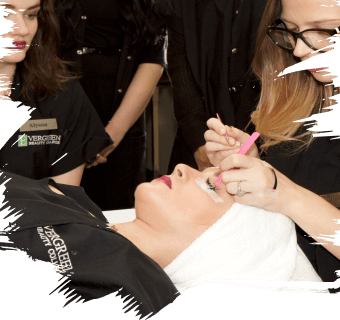
Most esthetics programs, including Evergreen’s, organize this training into phases. Phase one builds your foundation in skin physiology, sanitation, and the core techniques above. Phase two moves into more advanced treatments like chemical peels and eyelash extensions, giving you room to refine your technique on real clients. Phase three rounds out your training with an opportunity to participate in an externship, state board exam preparation, and the business skills you’ll want whether you join a spa team or build your own clientele.
What can future esthetician students expect?
Many esthetics students are attracted to skincare for a myriad of reasons. Some endured acne as a teenager or recently experienced adult acne and are deeply interested in helping people overcome these issues through treatments. In contrast, others want to halt the effects of sun damage and premature aging. Then, there are students who aspire to become makeup artists and choose to study aesthetics.
Day to day, expect a mix of classroom learning and hands-on studio time. At Evergreen, that means our EverFlex schedule: about four hours on campus each day working with real clients in the student spa, plus additional coursework you complete online on your own time. Morning, afternoon, and evening class options make it easier to fit school around work or family.
What are esthetician program length and hours?
Program length depends on your state’s licensing requirements. In Washington, a standard esthetician license requires 750 hours of training, while a master esthetician license requires 1,200 hours. Up to half of those hours can be completed through online coursework, which is exactly what our EverFlex schedule is built around. We pair hands-on training in the student spa with the coursework you complete on your own time.
Petro- stock.adobe.com
How can I become a licensed esthetician?
Imagine customers consulting you about skin conditions and presenting you their issues, regimens, and the skincare products they use. As an esthetician, it’s essential for you to understand key ingredients in formulations to provide tailored guidance for your customers.
After administering a skin analysis, you’ll make product recommendations based on the client’s skin type and the goals they are trying to achieve, such as halting acne or revitalizing the skin’s suppleness.
Any skincare specialist who is a licensed esthetician or medical esthetician will have a profound understanding of how to deal with most esthetic-related issues.
The first step to becoming a licensed esthetician is enrolling in an accredited esthetician school or a cosmetology school offering an esthetics program, where you’ll receive academic and hands-on training in various aspects of skincare.
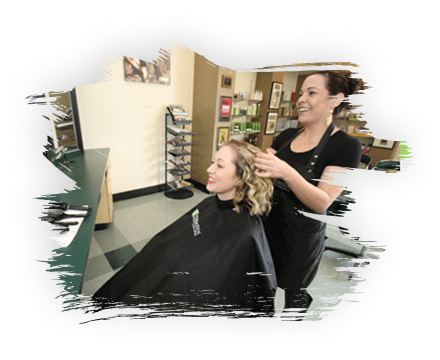
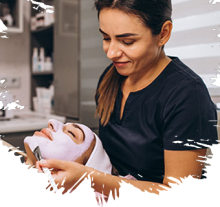
After enrolling and hitting the books, you’ll gain hands-on experience in your beauty school classrooms and on-campus salons. Practical training is essential, allowing you to practice makeup techniques and procedures like high frequency facials.
The best esthetics and cosmetology programs create a curriculum that prepares you for your licensing exam. Once you graduate and earn your school diploma, it is up to the student to register for the licensing exam, which typically includes both a written and a practical exam to test your knowledge and skills.
You’ll need to complete a certain number of training hours to meet licensing requirements. Once you pass your licensing exam, you will become a licensed esthetician, ready to provide professional skincare services.
Evergreen Beauty College’s esthetics program offers comprehensive professional development for future careers in the esthetics industry.
It combines theoretical knowledge with hands-on training in skincare treatments like facials and microdermabrasion.
Our program meets industry standards, preparing students for the state board exam and licensing. Education requirements cover skin physiology, client care, and professional product use, with added business training for job opportunities in top salons, spas, or personal businesses.
Schedule a tour at any of our campuses to meet the instructors and students.
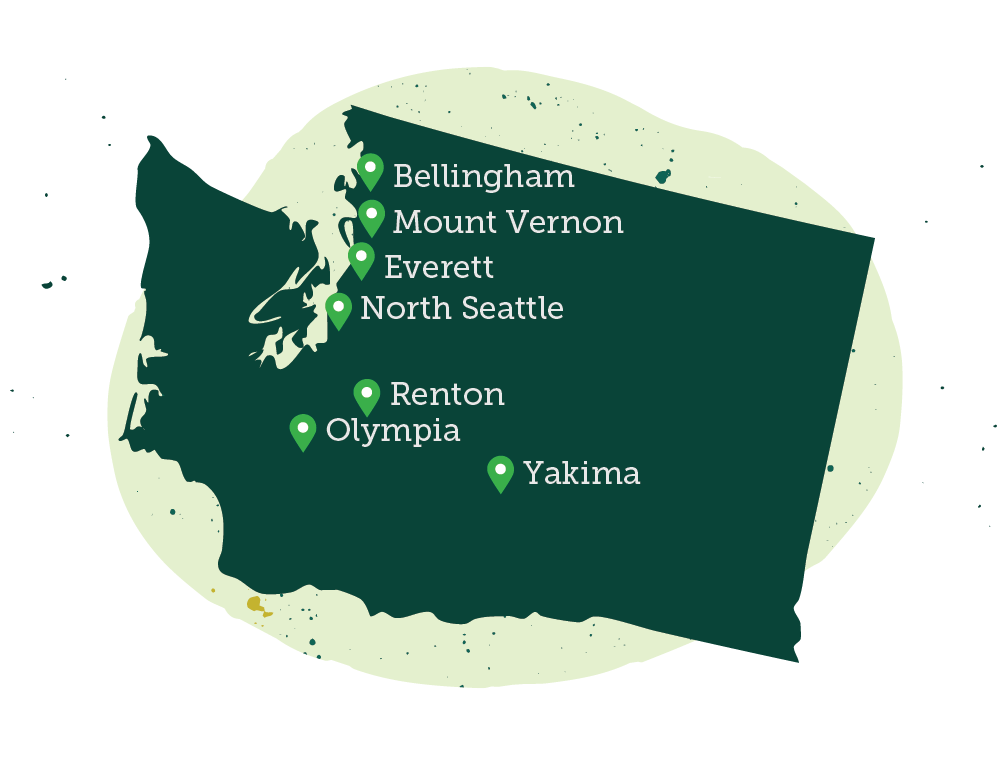
Financial Aid Available to Those Who Qualify, and our admissions team is happy to walk you through your options at any of our seven Washington campuses: Bellingham, Mount Vernon, Everett, North Seattle, Olympia, Renton, and Yakima.
FAQ: A Comprehensive Guide to Esthetician School
Do esthetics students need to take an esthetics exam?
In Washington state, you must take the esthetician exam to pursue a career as an esthetician. This exam is separate from the cosmetology exam. Would-be estheticians must complete the required hours and pass both written and practical exams specific to esthetics, covering topics like skin care, facial treatments, and hair removal. The written exam and practical exam are scheduled separately, and most students take the written exam first.
What do estheticians need to study?
Estheticians need to study and develop a wide range of skills, including advanced techniques for skin treatments, to gain knowledge of products and ingredients. This ensures they can provide adequate services, maintain health and safety standards, and comply with licensing regulations. Continuous education is crucial for accurate client consultations, professional growth, and advancing their esthetician careers by staying updated with industry trends and techniques.
How many hours do you need for esthetics at Evergreen Beauty College in Washington state?
The esthetician program at Evergreen Beauty College in Washington state requires 750 hours of training. This comprehensive program includes various phases that cover essential skills such as skin physiology, facial massage, hair removal, makeup application, and advanced treatments like microdermabrasion and chemical peels.
What’s the difference between an esthetician and a cosmetologist?
Estheticians focus specifically on skin: facials, skin analysis, hair removal, and related treatments. Cosmetologists train more broadly across hair, skin, and nails. Some students choose a cosmetology program specifically because it includes esthetics training alongside hair and nail skills, while others prefer an esthetics-only program to focus on skincare from day one. Read more about the difference here.
Can you complete esthetician school online?
Not entirely, but a meaningful portion can be. In Washington, up to half of your required training hours can be completed through online coursework, which is why programs like Evergreen’s EverFlex schedule pair a few hours of hands-on training in the student spa each day with additional online coursework you complete on your own time. The hands-on portion can’t be skipped since it’s where you build the technique you’ll need for your practical licensing exam.