
Microgen – stock.adobe.com
College keeps getting more expensive. Total U.S. student loan debt reached about $1.83 trillion in early 2026 (Education Data Initiative), and declining state funding, rising administrative costs, and capacity constraints keep pushing tuition higher. Cosmetology schools take a different path: focused, hands-on beauty training designed to fit your life. If you’ve ever pictured yourself as a nail technician, hairstylist, esthetician, or barber, beauty school is one of the most direct ways to build the real skills the work takes.
What is cosmetology school?
Cosmetology school is a state-licensed, postsecondary training program that teaches the hands-on skills used in beauty — hair, skin, and nails — and prepares you to take your state licensing exam. In Washington, a full cosmetology program is 1,600 training hours, which most students complete in about 13 months (Washington State Department of Licensing). At Evergreen Beauty College, you earn those hours on our EverFlex schedule: four hours on campus a day, plus about 10 hours of online coursework each week. It’s beauty school built around real life: you can learn in a working student salon while keeping up with everything else.
What is the difference between cosmetology school and traditional college?
Here’s the short answer: cosmetology school and college are two different paths to two different goals. The biggest difference is specialization.
Specialized training vs. broad academics
Cosmetology schools and conventional colleges offer different pathways for beauty students to pursue their passion and nurture their career aspirations. Specialization is the primary difference between beauty schools and colleges. Beauty programs provide practical training in a specific field, such as esthetics, advanced hair styling, barbering, nail care, and more, to help potential students acquire relevant job skills to succeed in the industry. Aside from specialized programs, vocational schools instill students with basic business skills, unlocking a range of career opportunities as entrepreneurs and business owners.
In contrast, degree programs are broader and more theoretical, emphasizing academic coursework. While a college degree might allow students to explore various academic subjects, it might not offer an industry-focused experience provided by cosmetology training programs.
Time and Cost
Completion time and graduation rates are other critical factors to consider. Full-length beauty courses in cosmetology schools take 1–2 years. In comparison, a college degree requires a student to study for about four years, which translates to higher graduation rates for cosmetology students in beauty schools. Given the high cost of college education, many potential students prefer to join vocational training to avoid contending with student loans.
Cosmetology school vs. traditional college at a glance
| Cosmetology school | Traditional 4-year college | |
| Main focus | Specialized, hands-on training in hair, skin, and nails | Broad academic study across many subjects |
| Typical length | About 13 months for Washington’s 1,600-hour cosmetology program | About four years for a bachelor’s degree |
| How you learn | Practical training in a working student salon, plus online coursework (EBC EverFlex: 4 hrs/day on campus + ~10 hrs/week online) | Mostly lectures and theory in classrooms |
| What you earn | A state cosmetology license after passing Washington’s licensing exams | An academic degree, such as a bachelor’s |
| Financial aid | Financial Aid Available to Those Who Qualify at accredited schools like EBC (NACCAS-accredited) | Federal aid available; total cost and student debt are often higher |
Top reasons to choose cosmetology school over college
There are several reasons to choose beauty school over a traditional college. Cosmetology schools give you focused, hands-on training in the field you love. Here are a few of the biggest:
Gain practical skills and hands-on experience
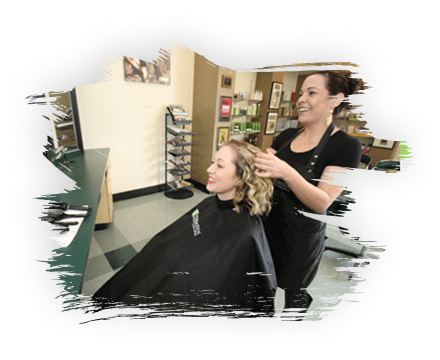
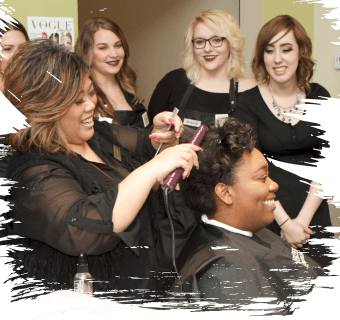
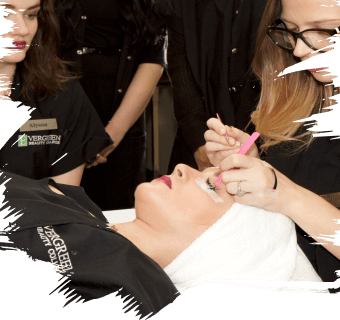
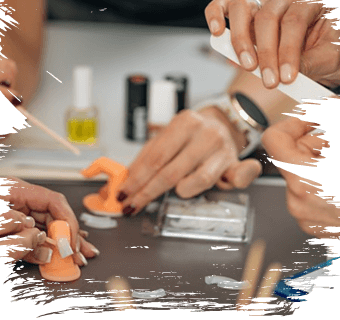
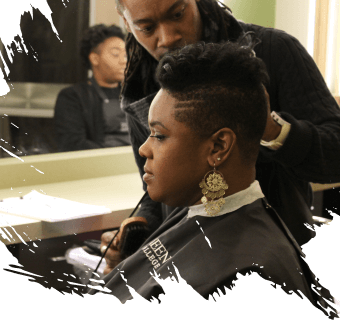
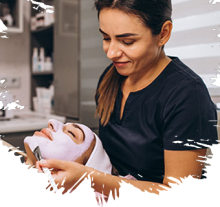
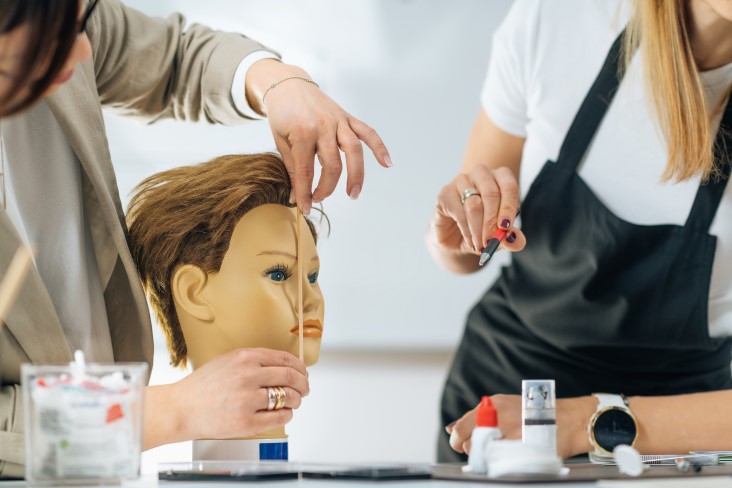
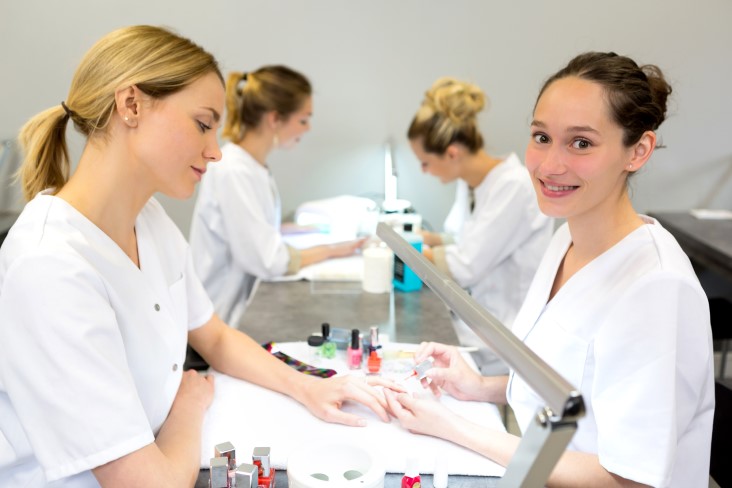
Beauty is a hands-on craft, so beauty school is built around practice. Whether you’re drawn to nails, skin, or hair, you’ll learn on real clients in a working student salon: not just from a textbook. Along with core techniques, you’ll get comfortable using professional tools, caring for clients, and the foundational business skills that help you grow your clientele or open your own salon someday.
Choose from a wide range of cosmetology programs
Beauty school isn’t one-size-fits-all. At Evergreen Beauty College, you can choose from Cosmetology, Barbering, Esthetics, Nail Technology, or Instructor Training — so you can follow the part of beauty you’re most passionate about. Many programs also include foundational business training to help you manage money, clients, and one day, maybe a salon of your own.
Train in a real salon on a schedule that fits your life
One of the best parts of beauty school is where you learn. Instead of sitting in lecture halls, you train in a real salon and spa setting with experienced instructors right beside you. At EBC, the EverFlex schedule (four hours on campus a day plus about 10 hours online each week) gives you the freedom to learn in a way that fits your life and builds your confidence with every client you serve.
Financial aid is available to those who qualify
Paying for school can feel overwhelming, but you don’t have to figure it out alone. Because Evergreen Beauty College is accredited by NACCAS, Financial Aid is available to those who qualify, and you may also be able to apply for grants and scholarships to help with costs. Our team can walk you through your options, step by step.
Become a licensed cosmetologist
In Washington, you need a license to work as a cosmetologist. To earn it, you complete 1,600 training hours at an approved school and pass the state licensing exams through the Washington State Department of Licensing. Your EBC program is built around those requirements, so by the time you finish your hours, you’re prepared to sit for your licensing exams with confidence.
Selecting the right cosmetology vocational school
Is cosmetology school a vocational school? Yes — a cosmetology school is a type of vocational, or career and technical, school, because it trains you in a specific, licensable skill instead of a broad academic degree. With so many beauty schools out there, choosing the right one matters. Here’s what to look for:
- Check whether the school has the proper accreditation. (Evergreen Beauty College is accredited by NACCAS.)
- Inquire about the education courses offered and their completion time.
- Compare the costs of the available courses.
- Ask if they have financial aid, grants, and scholarships.
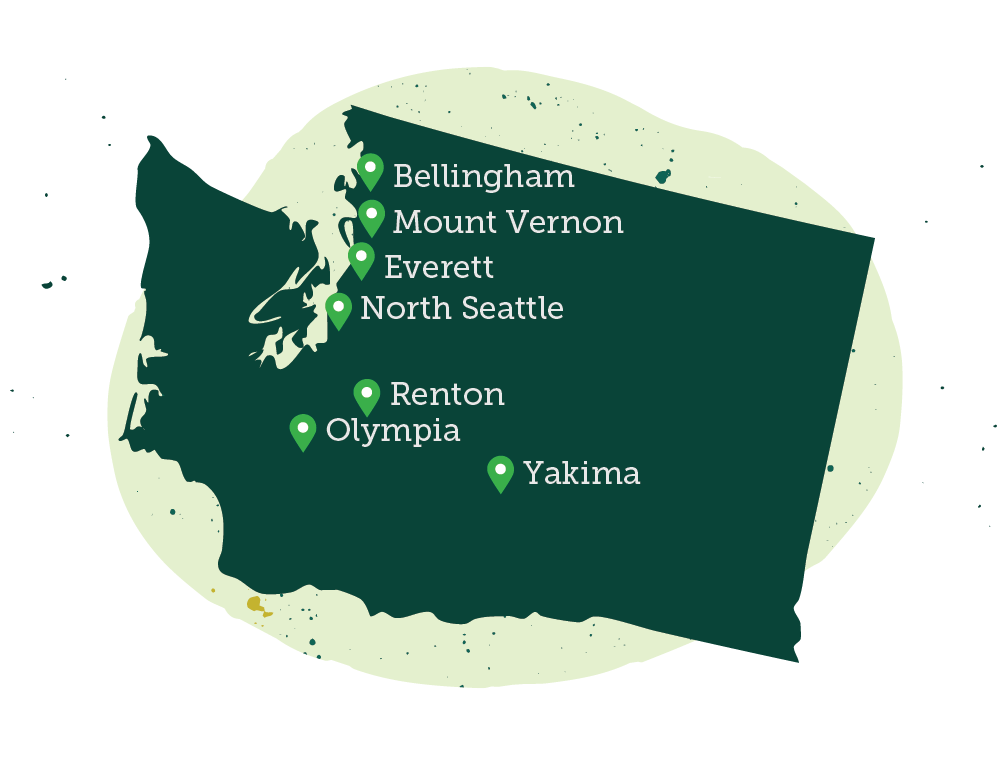
- Inquire about campus locations and course schedules.
- Ask about the kind of support, mentorship, and community you’ll find on campus.
- Check the school’s graduation rates.
- Read online reviews from previous students to obtain relevant information.
Production Perig – istockphoto.com
Ready to take the first step?
At Evergreen Beauty College, you can come as you are and discover what you’re capable of. We offer a wide range of beauty programs and a close, caring community that’s with you from your very first day. Believe, belong, become: it all starts with a conversation. Tour our campus to see what it feels like to learn beauty, inside and out.
FAQs – Choosing a cosmetology school or college
Q: What can you study in cosmetology school?
A: Cosmetology covers a broad range of beauty skills — including hair, skin, and nails — so you can specialize in the area you love most. At Evergreen Beauty College, that includes Cosmetology, Barbering, Esthetics, and Nail Technology.
Q: How much does it cost to go to a cosmetology school?
A: The cost of cosmetology school varies by school, program length, and the type of course. A full-length beauty program can range up to around $20,000 to $30,000. The good news: at accredited schools like Evergreen Beauty College, Financial Aid is available to those who qualify, and you may also be able to apply for grants and scholarships to help with costs.
Q: Is cosmetology school worth it?
A: For a lot of students, yes. You gain real, hands-on skills, learn in a working salon, and can finish in about 13 months in Washington — far less time than a four-year degree. You’ll also pick up foundational business skills along the way. The right fit depends on your goals, but if you love beauty and want focused training, it’s well worth a look.
Q: Is cosmetology school considered college?
A: Cosmetology school is postsecondary education, but it isn’t the same as a traditional college. Instead of working toward an academic degree, you train for a specific professional license. Many cosmetology schools, including EBC, are accredited and able to offer financial aid to those who qualify — but the goal is your cosmetology license, not a two- or four-year degree.
Q: Is cosmetology school a vocational school?
A: Yes. Cosmetology school is a vocational — or career and technical — school. It focuses on teaching a specific, licensable skill set in hair, skin, and nails, rather than a broad academic degree.
Q: How long is cosmetology school?
A: In Washington, a full cosmetology program is 1,600 training hours, which most students complete in about 13 months. At Evergreen Beauty College, you earn those hours on the EverFlex schedule — four hours on campus a day plus about 10 hours of online coursework each week.
Q: Do you need a license to work in cosmetology in Washington?
A: Yes. To work as a cosmetologist in Washington, you must complete 1,600 training hours at an approved school and pass the state licensing exams through the Washington State Department of Licensing.