

A cosmetology license opens more doors than most people expect. Yes, it qualifies you to cut and color hair, but it also prepares you for careers in makeup artistry, editorial work, education, entrepreneurship, brand work, and more. If you love the beauty industry but aren’t sure “just cutting hair” is enough, the good news is that it never has to be.
What Does a Cosmetology License Actually Cover?
Cosmetology training is broader than its reputation suggests. In Washington State, a cosmetology program covers 1,600 hours of training across a wide range of services that may include:
- Haircutting, coloring, and chemical treatments
- Scalp and hair care
- Basic skincare and facial services
- Basic nail services
- Makeup application
- Salon business and sanitation practices
That foundation gives you flexibility. You graduate with skills that translate into several different career directions, not just one.
Can You Do Makeup With a Cosmetology License?
Yes. Cosmetology training includes makeup application, which means you can offer makeup services as part of your work in a salon, spa, or as a freelancer. Many cosmetologists add makeup services to their menu to increase income and attract clients for special events like weddings, proms, and photoshoots.
If you want to specialize further, some professionals pursue additional training in editorial or theatrical makeup. But a cosmetology license is a strong starting point.
Can You Work in a Spa With a Cosmetology License?
Yes. Day spas, resort spas, and hotel spas regularly hire licensed cosmetologists for hair, scalp, and beauty services. Some cosmetologists work exclusively in spa environments, where the pace and atmosphere differ from a traditional salon setting.
Keep in mind that advanced skincare treatments like chemical peels, laser services, and facial machines require a separate esthetics or master esthetics license. If skincare is your real passion, adding an esthetics license is a natural next step. Washington State allows you to hold multiple beauty licenses, which gives you even more flexibility.
Can You Work in Editorial or Fashion With a Cosmetology License?
Yes, cosmetology can open doors in editorial, fashion, runway, bridal, and other creative beauty industries. These roles often involve working on photo shoots, fashion shows, and special events where styling and artistry are key.
Breaking into this space is competitive and typically requires a strong portfolio, salon experience, and industry connections. However, many cosmetologists successfully transition into fashion and editorial work after building their foundation in a salon setting.
A cosmetology license won’t guarantee entry into these industries, but it can be an important first step toward them.
Can You Be Your Own Boss With a Cosmetology License?
Absolutely, and it is one of the most popular reasons people pursue cosmetology in the first place. A cosmetology license gives you several routes to independence:
- Booth renter: Rent a station inside an existing salon and run your own book and pricing
- Suite owner: Lease a private studio space and operate completely on your own terms
- Mobile cosmetologist: Bring your services to clients at home, on location, or at events
- Salon or barbershop owner: Build and manage your own business from the ground up
- Beauty brand or product line: Some cosmetologists turn their expertise into product development or their own line of tools and retail
The business side of beauty is real, and good schools prepare you for it. At Evergreen Beauty College, cosmetology students learn salon operations alongside technical skills, so you graduate with more than just a license.
Can You Teach Cosmetology With a Cosmetology License?
Yes, with additional training. Washington State offers an Instructor Training program for licensed cosmetologists who want to teach at a beauty school. Many beauty educators say that teaching is one of the most rewarding paths in the industry, because you get to shape the next generation of professionals while staying connected to the craft you love.
Beyond the classroom, some experienced cosmetologists become platform artists or brand educators, demonstrating techniques and products at industry events, trade shows, and on behalf of professional beauty brands.
At Evergreen Beauty College, the Instructor Training program is designed for working professionals who are ready to take that next step.
Are There Beauty Industry Jobs That Don’t Involve Working on Clients?
Yes, and this surprises a lot of people. A cosmetology background can open doors to roles that are not service-based at all:
- Sales representative for a beauty brand: Companies like professional hair care and tool brands hire licensed professionals who understand the products from the inside out
- Brand ambassador or product educator: Travel, demonstrate, and train other stylists on behalf of a brand
- Salon manager or spa coordinator: Oversee operations, staff, and client experience behind the scenes
- Beauty content creator or influencer: Build an audience around your expertise and turn your license into a platform
These paths often develop after building hands-on experience first, but they are real career options that a cosmetology license can lead to.
What Are the Most Common Career Paths for Cosmetologists?
Here are some potential pathways that a cosmetology license can take you:
| Career Path | Where You Work |
|---|---|
| Hairstylist / Colorist | Salon, spa, barbershop |
| Makeup Artist | Salon, freelance, bridal, events |
| Booth Renter / Suite Owner | Your own space |
| Salon or Barbershop Owner | Your own business |
| Mobile Cosmetologist | On location, in-home, events |
| Beauty Educator / Instructor | Beauty school |
| Platform Artist / Brand Educator | Trade shows, brand events |
| Editorial Hair Stylist | Photo shoots, runway, fashion |
| Brand Ambassador / Sales Rep | Beauty brands, product companies |
| Salon Manager / Spa Coordinator | Salon or spa operations |
| Beauty Content Creator | Online, social media |
Is a Cosmetology License Worth It If You’re Not Sure What You Want to Do?
Yes, and you’re not alone in feeling that way. Many students start cosmetology school without a clear end goal and discover their direction as they train. Through hands-on practice, creative skill-building, and real client experience, you start to see what truly excites you.
A cosmetology license doesn’t limit you. It opens doors. It gives you a flexible foundation you can build on, whether you choose to specialize, pivot, or grow into entirely new areas of the beauty industry over time.
Frequently Asked Questions
What can you do with a cosmetology license besides cut hair?
A cosmetology license qualifies you for a wide range of careers, including makeup artistry, editorial styling, spa work, salon ownership, freelance work, beauty education, brand representation, and content creation. Many cosmetologists combine several of these paths over the course of their career.
Can a cosmetologist do facials or nail services?
In Washington State, a cosmetology license covers basic skincare and basic nail services only. For advanced skincare treatments like chemical peels, extractions, or facial equipment, a separate esthetics license is required. For full nail services, a nail technology license is needed. Many cosmetologists choose to add one or both licenses to expand what they can offer clients.
Can you teach at a beauty school with a cosmetology license?
Yes, with additional training. Washington State requires an Instructor Training credential to teach at a licensed beauty school. Evergreen Beauty College offers an Instructor Training program for licensed cosmetologists who want to move into education.
Can you work for a beauty brand with a cosmetology license?
Yes. Many beauty brands specifically look for licensed professionals for sales, education, and ambassador roles because they understand the products and can speak to other stylists credibly. These roles often develop after gaining hands-on salon experience first.
How long does cosmetology school take in Washington State?
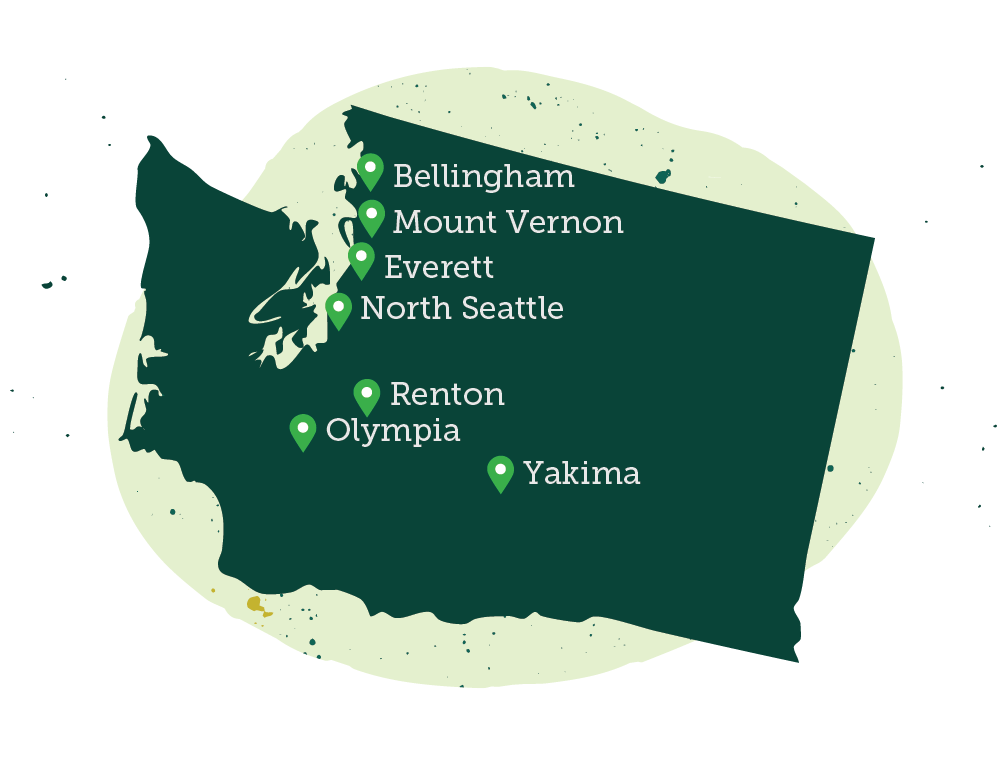
Washington requires 1,600 training hours for a cosmetology license. For most full-time students, that takes about 12 to 14 months. Evergreen Beauty College offers cosmetology training at campuses across Washington State.
Thinking about cosmetology school? Explore EBC’s Cosmetology program or schedule a campus tour to see what training looks like in person.