

NDABCREATIVITY- stock.adobe.com
A beauty salon business plan is a written document that outlines how your salon will operate, attract clients, and generate revenue before you ever open the doors. Most people come to cosmetology school for the craft: the color, the cuts, the connection with clients. Paperwork is likely not first and foremost on your mind. But if you dream of one day running your own salon, a solid plan is what turns “someday” into a space with your name on the door.
What Is a Beauty Salon Business Plan?
A beauty salon business plan is a written roadmap for starting and running your salon. It spells out your mission, the services you’ll offer, how you’ll market to clients, and how the numbers will work. There’s no single required format, and you’ll find plenty of templates and guides to help you build one. What matters is that it covers the key areas every salon owner needs to think through.
What Should Your Beauty Salon Business Plan Include?
Your business plan should cover several key areas that generally fall into seven groups: strategic, corporate, marketing, products & services, operations, administration, and finance. Together, they tell the story of what your salon is, how it will run, and how it will stay open.
| Area | What it covers |
| Strategic | Your salon’s mission and how you’ll position it in your local market. |
| Corporate | Your legal structure (such as an LLC or sole proprietorship) and who runs the business, even if that’s just you to start. |
| Marketing | How you’ll attract and keep clients, from social media and referrals to your first promotions. |
| Products & Services | The services your salon will offer and the retail products you’ll sell. |
| Operations | How your salon runs day-to-day, including hours, scheduling, and supplies. |
| Administration | How you’ll handle staffing, payroll, and the behind-the-chair paperwork. |
| Finance | Your startup costs, working capital, and a realistic look at how the salon will perform financially. |
What Is a Beauty Salon Vision Statement?
A beauty salon vision statement is a short description of what you want your salon to become and the experience you want clients to have. It sits at the top of the strategic section of your plan and keeps every other decision pointed in the same direction. Keep your vision statement brief, specific, and true to you. For example, “to be the salon our neighborhood trusts for honest advice, beautiful results, and a warm welcome every time.”
Why a Beauty Salon Business Plan Matters
A written business plan matters for two big reasons.
First, lenders and investors almost always require one before they’ll invest in a new salon; it’s how they judge whether your idea can work.
Second, the act of writing it forces you to face the practical questions that catch many new salons off guard: Can you cover rent during the slow first months? How many clients do you need each week to break even? Working through those details on paper is far less painful than discovering them after you’ve signed a lease.
Understanding Salon Startup Costs
Startup costs can catch new salon owners off guard and require thorough consideration. Opening a salon can include expenses like build-out and leasehold improvements, styling stations and chairs, equipment and tools, retail product inventory, licensing and permits, insurance, payroll, and, of course, rent.
You’ll also want working capital, which is money set aside to keep things running while you build a steady client base. Actual costs vary widely depending on your location, the size of your space, and the services you offer so it may take some careful research. It should be a realistic, itemized estimate you can stand behind.
Learning the Business Side of Beauty at Evergreen
There’s a craft to cutting hair, and there’s a craft to running the business behind the chair. Those two crafts don’t always come together on their own. At Evergreen Beauty College, business training is built into our programs. Alongside hands-on training with real clients, our programs cover foundational business principles like marketing, retail, and customer development. These are the same areas a business plan asks you to think through.
Our EverFlex schedule keeps it manageable, with four hours on campus a day and about ten hours online each week, morning, afternoon, or evening, depending on the campus. If owning your own salon is part of your dream, learning the business side early can help you plan with confidence.
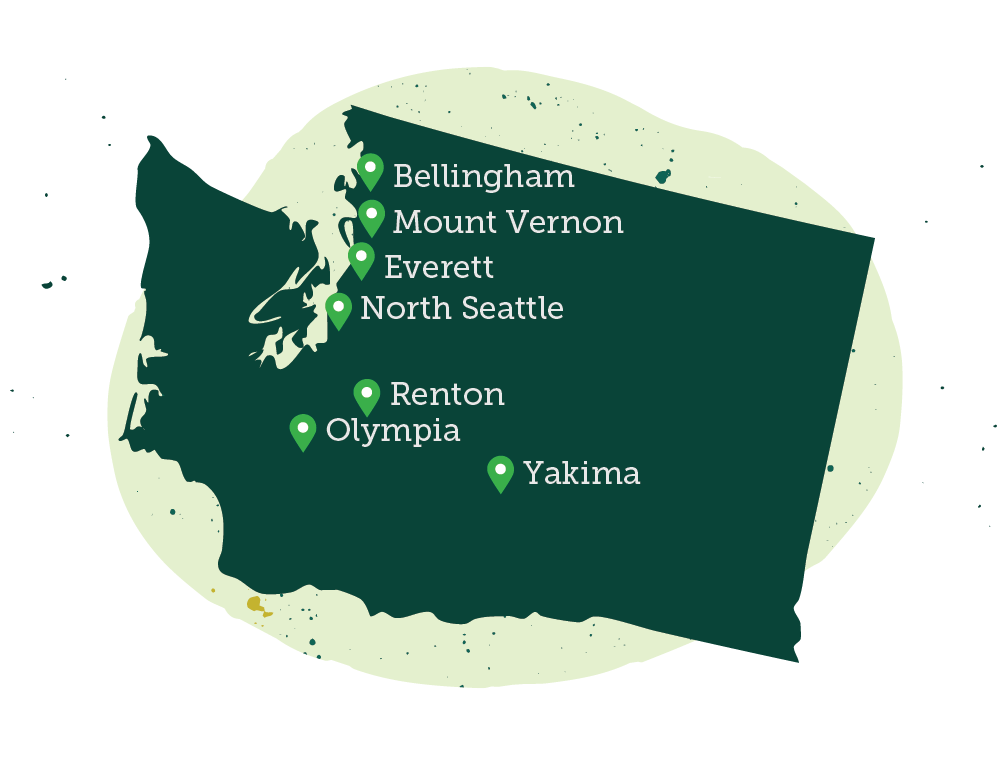
Curious what that looks like in person? Tour a campus and learn more about Evergreen Beauty College and how we can help you achieve your business goals.
Beauty Salon Business Plan FAQs
What is a beauty salon business plan?
A beauty salon business plan is a written document that outlines how your salon will operate, attract clients, and remain financially healthy. It typically covers your mission and positioning, legal structure, marketing, the products and services you’ll offer, day-to-day operations, and finances.
What should a beauty salon business plan include?
A strong salon business plan covers several key areas: your strategic vision and positioning, your corporate or legal structure, your marketing approach, your services and retail products, daily operations, administration, and finances. These generally fall into three groups: strategic and corporate, marketing and operations, and finance. There’s no single required format, so you can adapt a template to fit your salon.
Do you need a business plan to get a loan to open a salon?
In most cases, yes. Lenders and investors typically require a written business plan before financing a new salon because it shows how you expect the business to generate revenue and repay what you borrow. A clear plan with realistic financial projections won’t guarantee approval, but it’s usually required to be considered.
What is a beauty salon vision statement?
A beauty salon vision statement is a short statement of what you want your salon to become and the experience you want to create for clients. It anchors the strategic section of your business plan and guides the decisions that follow. A good vision statement is brief, specific, and authentic.
How much does it cost to open a beauty salon?
Startup costs vary widely depending on your location, the size of your space, and the services you offer, so there’s no single answer. Common expenses include build-out and leasehold improvements, styling stations and chairs, equipment and tools, retail inventory, licensing and permits, insurance, and payroll. Most plans also set aside working capital to cover expenses while you build a steady client base.
Can you learn how to run a salon business in cosmetology school?
Some cosmetology programs include business training alongside technical skills. At Evergreen Beauty College, our programs cover foundational business principles like marketing, retail, and customer development; the same areas you’ll work through in a business plan. That kind of training can help prepare you to think like an owner, not just a stylist.
How long should a salon business plan be?
There’s no required length, but it will need to cover the key areas clearly. Lenders generally care more about clear, realistic detail than page count. A focused plan that honestly addresses your market, operations, and finances is more useful than a long one padded with filler.